Buy recensioni-di-integratori-it.eu ?
We are moving the project
recensioni-di-integratori-it.eu .
Are you interested in purchasing the domain
recensioni-di-integratori-it.eu ?
domain@kv-gmbh.de · 0541-91531010
Buy recensioni-di-integratori-it.eu ?
Why do you perform chest compressions?
Chest compressions are performed during cardiopulmonary resuscitation (CPR) to manually pump blood through the body when the heart is not able to do so effectively. This helps to maintain blood flow to vital organs, such as the brain, until more advanced medical help can arrive. The goal of chest compressions is to keep the person alive until their heart can be restarted or until emergency medical services can take over. **
How to perform chest compressions on individuals with funnel chest?
When performing chest compressions on individuals with funnel chest, it is important to adjust the hand placement slightly. Instead of placing the heel of the hand in the center of the chest, it should be positioned slightly to the side of the sternum to avoid putting direct pressure on the depressed area. The compressions should still be performed at a rate of 100-120 per minute, with the chest being compressed at least 2 inches deep. It is crucial to ensure that the compressions are effective in order to maintain blood flow and circulation to vital organs. **


Similar search terms for Chest compressions
Top-Angebote
Products related to Chest compressions:
-
Platkus Books/Little Brown The Salt Fix Book by Dr. James Dinicolantonio, Health & Nutrition Guide, Why Experts Got It Wrong & How Eating More Salt Can Benefit Your Wellness & LA leading cardiovascular research scientist upends the low-salt myth, proving that salt may be one solution to - rather than a cause of - the chronic disease crisis. We've all heard the recommendation: no more than a teaspoon of salt a day for a healthy heart. But there's one big problem with this: the majority of us don't need to watch our salt. For most, salt protects against a host of aliments, including internal starvation, insulin resistance, diabetes and heart disease - not to mention, it tastes great. Dr DiNicolantonio reveals the eye-opening story, a never-been-told, century-spanning drama of competing egos and interests, of how salt became unfairly demonised. (The real culprit? Another white crystal - sugar). Sure to change the conversation about this historically treasured substance, The Salt Fix elegantly weaves research into a fascinating new understanding of salt's essential role in your health and what happens when you aren't getting enough. Dr DiNicolantonio shows how eating the right amount of this essential mineral will help you beat sugar cravings, achieve weight loss, improve athletic performance, increase fertility and thrive with a healthy heart. Finally, he offers a transformative six-step programme for re-calibrating your innate salt thermostat so that you can simply listen to your cravings to achieve your ideal salt intake.2,24 £*Shipping: 1,99 £Secure redirect to the provider
-
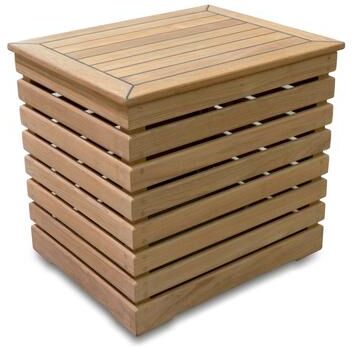
PRiME Teak Chest"Teak Chest Slat sides, solid top Can be used as a bench Stainless Steel hardware Fully assembled Oiled finish Large Chest Size: 33-1/2"" W x 18-3/8"" H x 17-1/2"" D Small Chest Size: 20"" W x 18-1/2"" H x 15-3/4"" D Our premium teak products resist the…"803,49 $*Shipping: 0,00 $Secure redirect to the provider
-
Taurus Pro Iso Seated Chest Press Chest Press + 35kg TPU PlatesThe Taurus Pro Iso Seated Chest Press expertly targets the pectoralis major muscles with a convergent split-motion track, ensuring each movement maximally stimulates the chest. It features adjustable arms and seat settings for a customised fit and incorporates a plate-loading system to adjust...756,84 £*Shipping: 0,00 £Secure redirect to the provider



-
How do you perform chest compressions on a woman?
When performing chest compressions on a woman, the technique is the same as for a man. Place the heel of one hand on the center of the woman's chest, between the nipples. Place the other hand on top of the first hand and interlock the fingers. Keep your arms straight and position your shoulders directly above your hands. Press down firmly and quickly, allowing the chest to recoil completely between compressions. Remember to perform compressions at a rate of 100-120 per minute. **
-
How often do you perform chest compressions during resuscitation?
During resuscitation, chest compressions are typically performed at a rate of 100 to 120 compressions per minute. The compressions are performed continuously until emergency medical services arrive or until the person shows signs of life. **
-
What happens if you perform chest compressions without reason?
Performing chest compressions without reason can cause harm to the person receiving them. Chest compressions can cause broken ribs, damage to internal organs, and other injuries if not done properly or if not needed. It is important to only perform chest compressions when the person is in cardiac arrest and not breathing, as part of CPR. Otherwise, it is crucial to assess the situation and provide the appropriate care based on the person's condition. **
-
How to perform chest compressions on individuals with pectus excavatum?
When performing chest compressions on individuals with pectus excavatum, it is important to place the heel of your hand slightly higher on the sternum to ensure effective compression. This adjustment helps to avoid the deeper depression caused by the condition. It is also recommended to use the standard compression depth of at least 2 inches for adults and to maintain the proper rate of compressions at 100-120 per minute. Additionally, be mindful of any discomfort the individual may experience during the process and adjust your technique as needed. **


How do you perform chest compressions on individuals with pectus excavatum?
When performing chest compressions on individuals with pectus excavatum, it is important to place the heel of your hand slightly higher on the sternum to ensure effective compression. This adjustment helps to avoid putting excessive pressure on the chest wall and minimizes the risk of causing injury. It is also recommended to use the standard compression depth of at least 2 inches for adults and to maintain the proper rate of compressions, which is around 100-120 compressions per minute. Additionally, it is crucial to monitor the effectiveness of the compressions by checking for adequate chest rise and fall during CPR. **
How do you perform chest compressions on a patient with a heartbeat?
If a patient has a heartbeat, chest compressions are not necessary. Instead, focus on providing other forms of first aid or medical care as needed. It's important to monitor the patient's vital signs and provide any necessary support until medical professionals arrive. If the patient's condition changes and they lose their heartbeat, then chest compressions may be required as part of CPR. **
Top-Angebote
Products related to Chest compressions:
-
Cornerstone Press Make Me Well: The Truth About the Wellness Industry, Supplements, and Personalised Health by Xand van TullekenIn a world of endless wellness advice, learn how to make smarter decisions about your health with the empowering new book from doctor and broadcaster Xand Van Tulleken. Drawing on original reporting, expert insight and real-world case studies, he explores: The truth about supplements and vitamins ― what works and what doesn’t The rise of at-home blood testing and personalised health plans How wearable technology (fitness trackers, sleep trackers, smartwatches) shapes our behaviour The promises and pitfalls of consumer genomics and DNA testing Why the line between healthcare and the wellness industry has become blurred There has never been a more confusing time to try to be healthy. From supplements and blood testing to wearable technology and consumer genomics, the modern wellness industry promises better energy, performance and longevity. But how much of it is science, and how much is marketing? In his groundbreaking book, Make Me Well, Xand van Tulleken investigates the new Wild West of the wellness industry, offering a clear, evidence-based guide to navigating today’s most popular health trends. With practical advice and accessible science, Make Me Well will help you cut through misinformation, avoid unnecessary costs, and make informed decisions about your physical and mental wellbeing. If you’ve ever wondered which health trends are worth your time and money, this is your essential guide to modern wellness.12,99 £*Shipping: 2,99 £Secure redirect to the provider
-
Harper ltd Max Lugavere 2 Book Set – Genius Foods & The Genius Life Brain Health, Nutrition & Wellness CollectionMax Lugavere 2-Book Collection Set (The Genius Life & Genius Foods – Nutrition, Health, Wellness, Diet, Brain & Body Health, Self-Help & Fitness) The Genius Life: Heal Your Mind, Strengthen Your Body, and Become Extraordinary: Supporting the work of Battersea Dogs and Cats Home.Enjoy a heartwarming dog to brighten every single day of the year. From Pickles, the dog who single-handedly saved the 1966 world cup, to Pal, who found silver screen fame as the original Lassie, Battersea's A Dog a Day contains 365 fascinating stories of dogs to enjoy throughout the year.Beautifully packaged and illustrated throughout with charming illustrations of cheeky puppies and hounds, this is the perfect book for any lover of our four-legged friends. Genius Foods: Become Smarter, Happier, and More Productive While Protecting Your Brain for Life: After his mother was diagnosed with a mysterious form of dementia, Max Lugavere put his successful media career on hold to learn everything he could about brain health and performance. For the better half of a decade, he consumed the most up-to-date scientific research, talked to dozens of leading scientists and clinicians around the world, and visited the country’s best neurology departments—all in the hopes of understanding his mother’s condition.Now, in Genius Foods, Lugavere presents a comprehensive guide to brain optimization. He uncovers the stunning link between our dietary and lifestyle choices and our brain functions, revealing how the foods you eat directly affect your ability to focus, learn, remember, create, analyze new ideas, and maintain a balanced mood.12,95 £*Shipping: 2,99 £Secure redirect to the provider
-
Platkus Books/Little Brown The Salt Fix Book by Dr. James Dinicolantonio, Health & Nutrition Guide, Why Experts Got It Wrong & How Eating More Salt Can Benefit Your Wellness & LA leading cardiovascular research scientist upends the low-salt myth, proving that salt may be one solution to - rather than a cause of - the chronic disease crisis. We've all heard the recommendation: no more than a teaspoon of salt a day for a healthy heart. But there's one big problem with this: the majority of us don't need to watch our salt. For most, salt protects against a host of aliments, including internal starvation, insulin resistance, diabetes and heart disease - not to mention, it tastes great. Dr DiNicolantonio reveals the eye-opening story, a never-been-told, century-spanning drama of competing egos and interests, of how salt became unfairly demonised. (The real culprit? Another white crystal - sugar). Sure to change the conversation about this historically treasured substance, The Salt Fix elegantly weaves research into a fascinating new understanding of salt's essential role in your health and what happens when you aren't getting enough. Dr DiNicolantonio shows how eating the right amount of this essential mineral will help you beat sugar cravings, achieve weight loss, improve athletic performance, increase fertility and thrive with a healthy heart. Finally, he offers a transformative six-step programme for re-calibrating your innate salt thermostat so that you can simply listen to your cravings to achieve your ideal salt intake.2,24 £*Shipping: 1,99 £Secure redirect to the provider
-
PRiME Teak Chest"Teak Chest Slat sides, solid top Can be used as a bench Stainless Steel hardware Fully assembled Oiled finish Large Chest Size: 33-1/2"" W x 18-3/8"" H x 17-1/2"" D Small Chest Size: 20"" W x 18-1/2"" H x 15-3/4"" D Our premium teak products resist the…"803,49 $*Shipping: 0,00 $Secure redirect to the provider
-
Why do you perform chest compressions?
Chest compressions are performed during cardiopulmonary resuscitation (CPR) to manually pump blood through the body when the heart is not able to do so effectively. This helps to maintain blood flow to vital organs, such as the brain, until more advanced medical help can arrive. The goal of chest compressions is to keep the person alive until their heart can be restarted or until emergency medical services can take over. **
-
How to perform chest compressions on individuals with funnel chest?
When performing chest compressions on individuals with funnel chest, it is important to adjust the hand placement slightly. Instead of placing the heel of the hand in the center of the chest, it should be positioned slightly to the side of the sternum to avoid putting direct pressure on the depressed area. The compressions should still be performed at a rate of 100-120 per minute, with the chest being compressed at least 2 inches deep. It is crucial to ensure that the compressions are effective in order to maintain blood flow and circulation to vital organs. **
-
How do you perform chest compressions on a woman?
When performing chest compressions on a woman, the technique is the same as for a man. Place the heel of one hand on the center of the woman's chest, between the nipples. Place the other hand on top of the first hand and interlock the fingers. Keep your arms straight and position your shoulders directly above your hands. Press down firmly and quickly, allowing the chest to recoil completely between compressions. Remember to perform compressions at a rate of 100-120 per minute. **
-
How often do you perform chest compressions during resuscitation?
During resuscitation, chest compressions are typically performed at a rate of 100 to 120 compressions per minute. The compressions are performed continuously until emergency medical services arrive or until the person shows signs of life. **
Similar search terms for Chest compressions
-
Taurus Pro Iso Seated Chest Press Chest Press + 35kg TPU PlatesThe Taurus Pro Iso Seated Chest Press expertly targets the pectoralis major muscles with a convergent split-motion track, ensuring each movement maximally stimulates the chest. It features adjustable arms and seat settings for a customised fit and incorporates a plate-loading system to adjust...756,84 £*Shipping: 0,00 £Secure redirect to the provider
-
Perfect Picks Market Silicone Chest Wrinkle Patch Reusable Anti Aging Chest Pads For Smoother Skin Silicone Chest Wrinkle Patch Reusable Anti Aging Chest Pads For Smoother SkinWake up feeling more confident with smootherlooking skin where it matters most. This silicone chest wrinkle patch is designed for anyone looking to reduce the appearance of chest lines, cleavage creases, and sleep wrinkles without complicated...29,97 $*Shipping: 0,00 $Secure redirect to the provider
-
Taurus Pro Iso Standing Chest Fly Standing Chest Fly + 35kg TPU PlatesThe Taurus Iso Standing Chest Fly is a premium isolation machine designed for professional gym facilities. The machine is engineered for heavy use and high traffic. The space-efficient design makes it a great addition to commercial setups looking to provide an interesting alternative to regular...666,84 £*Shipping: 0,00 £Secure redirect to the provider
-
What happens if you perform chest compressions without reason?
Performing chest compressions without reason can cause harm to the person receiving them. Chest compressions can cause broken ribs, damage to internal organs, and other injuries if not done properly or if not needed. It is important to only perform chest compressions when the person is in cardiac arrest and not breathing, as part of CPR. Otherwise, it is crucial to assess the situation and provide the appropriate care based on the person's condition. **
-
How to perform chest compressions on individuals with pectus excavatum?
When performing chest compressions on individuals with pectus excavatum, it is important to place the heel of your hand slightly higher on the sternum to ensure effective compression. This adjustment helps to avoid the deeper depression caused by the condition. It is also recommended to use the standard compression depth of at least 2 inches for adults and to maintain the proper rate of compressions at 100-120 per minute. Additionally, be mindful of any discomfort the individual may experience during the process and adjust your technique as needed. **
-
How do you perform chest compressions on individuals with pectus excavatum?
When performing chest compressions on individuals with pectus excavatum, it is important to place the heel of your hand slightly higher on the sternum to ensure effective compression. This adjustment helps to avoid putting excessive pressure on the chest wall and minimizes the risk of causing injury. It is also recommended to use the standard compression depth of at least 2 inches for adults and to maintain the proper rate of compressions, which is around 100-120 compressions per minute. Additionally, it is crucial to monitor the effectiveness of the compressions by checking for adequate chest rise and fall during CPR. **
-
How do you perform chest compressions on a patient with a heartbeat?
If a patient has a heartbeat, chest compressions are not necessary. Instead, focus on providing other forms of first aid or medical care as needed. It's important to monitor the patient's vital signs and provide any necessary support until medical professionals arrive. If the patient's condition changes and they lose their heartbeat, then chest compressions may be required as part of CPR. **
* All prices are inclusive of VAT and, if applicable, plus shipping costs. The offer information is based on the details provided by the respective shop and is updated through automated processes. Real-time updates do not occur, so deviations can occur in individual cases. ** Note: Parts of this content were created by AI.